


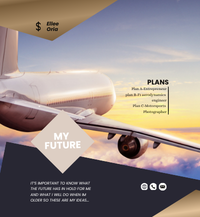
Plan A
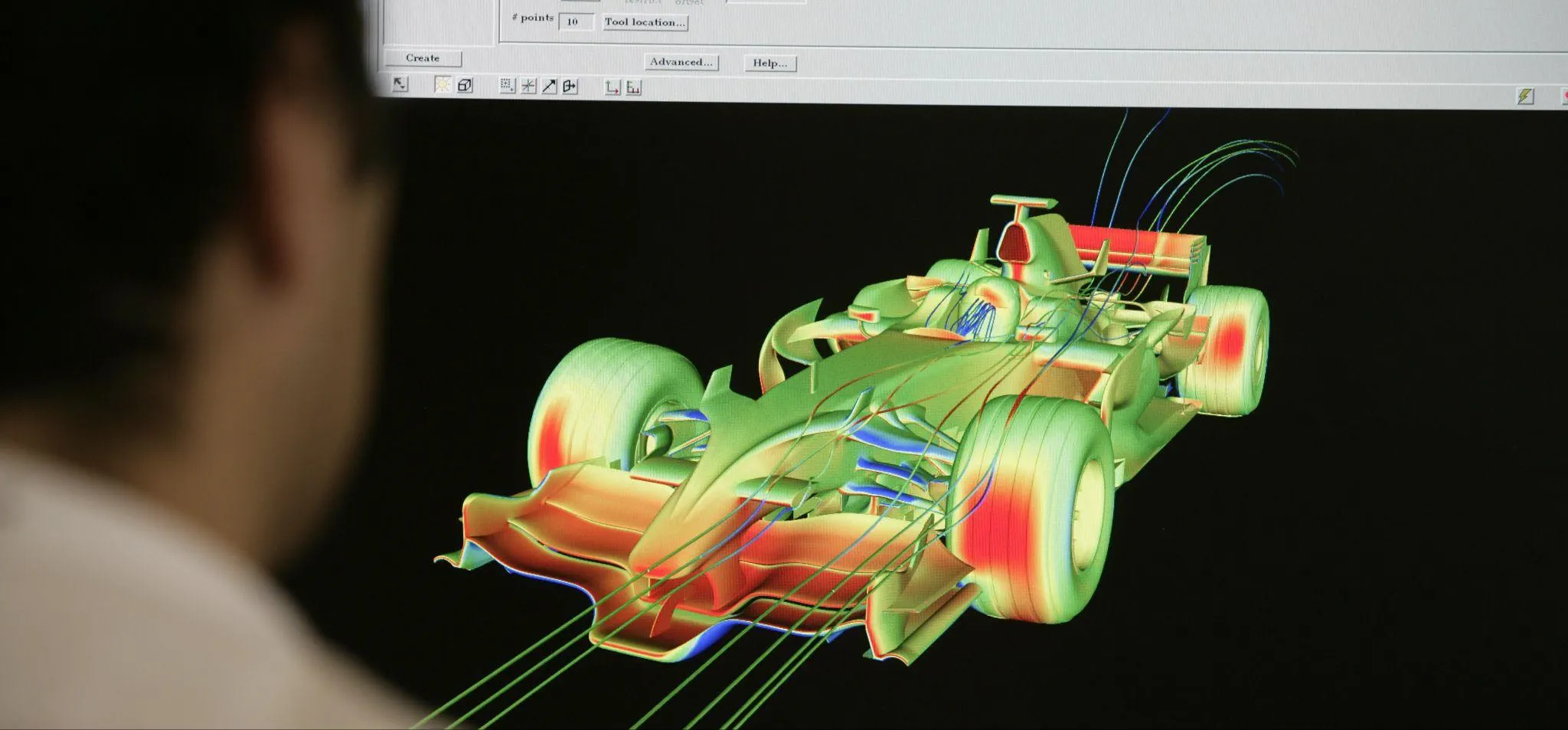
What do they do?
F1 aerodynamics engineers design, test, and refine the external surfaces of a car to maximize downforce and minimize drag, directly improving lap times.
Their work Enviromeint
F1 aerodynamics engineers work in a high-pressure, fast-paced environment, primarily based at the team factory, focusing on maximizing downforce and minimizing drag through CAD modeling, CFD simulations, and wind tunnel testing. It is a collaborative, iterative, and data-driven role, featuring long hours to rapidly turn design concepts into on-track performance
How to become one
Becoming a Formula 1 aerodynamics engineer requires a high-level engineering degree (Aeronautical or Mechanical), mastery of Computational Fluid Dynamics (CFD), and practical experience, often through Formula Student or internships
Pay
F1 aerodynamics engineer salaries typically range from £35,000 to over £160,000 ($45,000–$200,000+) annually, depending on experience, seniority, and performance bonuses. Junior aerodynamicists start around £31,000–£50,000, while senior specialists and team leads can command £85,000–£150,000+ per year.
Job Outlook
The job outlook for F1 aerodynamics engineers is strong, driven by 2026 regulation changes, new power unit rules, and the entry of new teams like Cadillac. Demand is high for expertise in CFD (Computational Fluid Dynamics) and wind tunnel testing, with roles requiring STEM degrees and intense, fast-paced teamwork to develop high-performance car
Similar Occupations
Similar occupations to a Formula 1 Aerodynamics Engineer, which focus on fluid dynamics, CAD design, and simulation, include CFD Engineers, Wind Tunnel Technicians, Aerothermal Engineers, Vehicle Dynamics Engineers, and Aircraft/Aerospace Aerodynamicists. These roles often require expertise in optimizing airflow, downforce, and thermal performance